
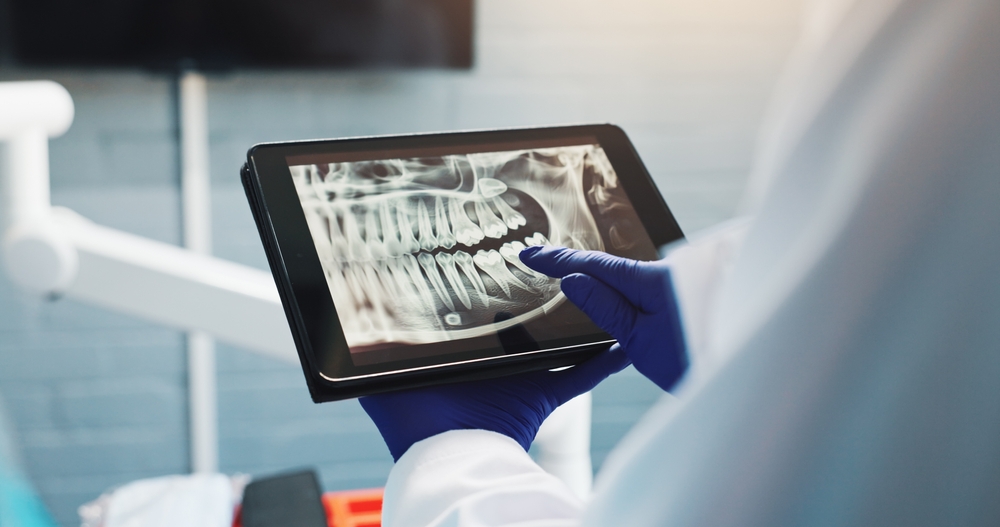
Oral Surgery in Queens
Our team at Gramercy Dental Group has built a reputation for delivering expert oral surgery in Queens with a level of care that puts patients at ease from the very first appointment. Complex dental conditions like impacted wisdom teeth, significant bone loss, or jaw alignment issues deserve more than a quick fix. Our board-certified oral surgeons bring advanced training, precise surgical techniques, and a genuine commitment to patient care to every procedure they perform. With state-of-the-art technology and a full team of specialists on-site, we handle the full scope of surgical procedures so you never have to look elsewhere for the care you need.

Understanding Oral Surgery
Oral surgery is the branch of dentistry that handles conditions too complex for routine dental treatment. It covers a wide range of procedures including wisdom teeth removal, dental implant surgery, jaw surgery, bone grafting, and oral cancer screenings, all performed by a trained oral surgeon with in-depth knowledge of facial anatomy and surgical techniques. These procedures address issues that develop deep within the teeth, jaw, and surrounding structures, where non-surgical options simply aren’t enough.
Oral surgeons complete additional years of hospital-based surgical and anesthesia training beyond dental school, which equips them to handle both planned procedures and unexpected complications with confidence. This level of preparation is what makes it safe and effective even in complex cases. Procedures can range in scope from a single tooth extraction to full jaw reconstruction, and each one requires a precise understanding of how the teeth, bone, and soft tissue interact. Surgical procedures also play a critical role in supporting other dental treatments. Implant placement, for instance, depends on healthy bone structure that may first need to be rebuilt through grafting. That intersection of surgery and broader dental care is what makes this specialty such an important part of comprehensive oral health treatment.
Benefits of Oral Surgery
Lasting Relief From Pain That Hasn't Responded to Other Treatments
Persistent tooth pain, jaw pressure, or recurring infections are signs that something deeper needs to be addressed. Oral surgery goes beyond symptom management and targets the actual source of the problem. An impacted wisdom tooth pressing into adjacent teeth won’t resolve on its own, and waiting often makes the situation worse.
Surgical intervention removes the cause directly, which is why patients frequently notice significant improvement after recovering from even a single procedure. For issues that haven’t responded to a root canal or other conservative care, it is often the most reliable option available.
Functional Improvement That Makes Daily Life Easier
Difficulty chewing, jaw discomfort, or problems with speech can all trace back to structural issues in the mouth and jaw. Oral surgery procedures are designed to correct those underlying problems, not just manage their effects.
Dental implant surgery replaces missing teeth with restorations that function like natural ones, allowing you to eat without limitation or discomfort. Jaw surgery addresses misalignment that affects your bite, breathing, and even your posture over time. A mouth that works the way it should makes a difference you notice every single day.
Early Intervention That Prevents Larger Problems Later
Dental issues rarely stay the same size. A wisdom tooth that appears manageable today can lead to crowding, cyst formation, or damage to neighboring teeth within months. Bone loss left unaddressed makes future dental implant surgery significantly more complicated and in some cases impossible without bone grafting first.
Oral cancer screenings catch tissue changes early, when treatment is most effective and least invasive. Addressing these conditions through timely oral surgery procedures protects both your immediate oral health and your long-term dental foundation.
Aesthetic Results That Go Hand in Hand With Better Health
The best outcomes from oral surgery tend to improve both how your mouth functions and how it looks. Dental implants fill gaps left by missing teeth, restoring symmetry and preventing the facial changes that occur when bone is no longer supported.
Gum grafting corrects recession that makes teeth look uneven or longer than they should. Jaw surgery can bring facial proportions into better balance in ways that patients often find meaningful beyond just the clinical result. Restoring form and function together produces a more complete outcome.
Surgical Solutions for Cases That Standard Dentistry Can't Resolve
Some dental conditions have no non-surgical answer. Severely damaged teeth, significant bone loss, impacted canines, TMJ disorders, and oral pathology all fall into a category that requires specialized surgical techniques and equipment.
Bone grafting and sinus lifts make dental implant surgery possible for patients who would otherwise be told they aren’t candidates. IV sedation and office-based anesthesia options mean that even patients with dental anxiety or complex medical histories can receive the care they need safely. These capabilities exist specifically for situations where routine dentistry has reached its limits.
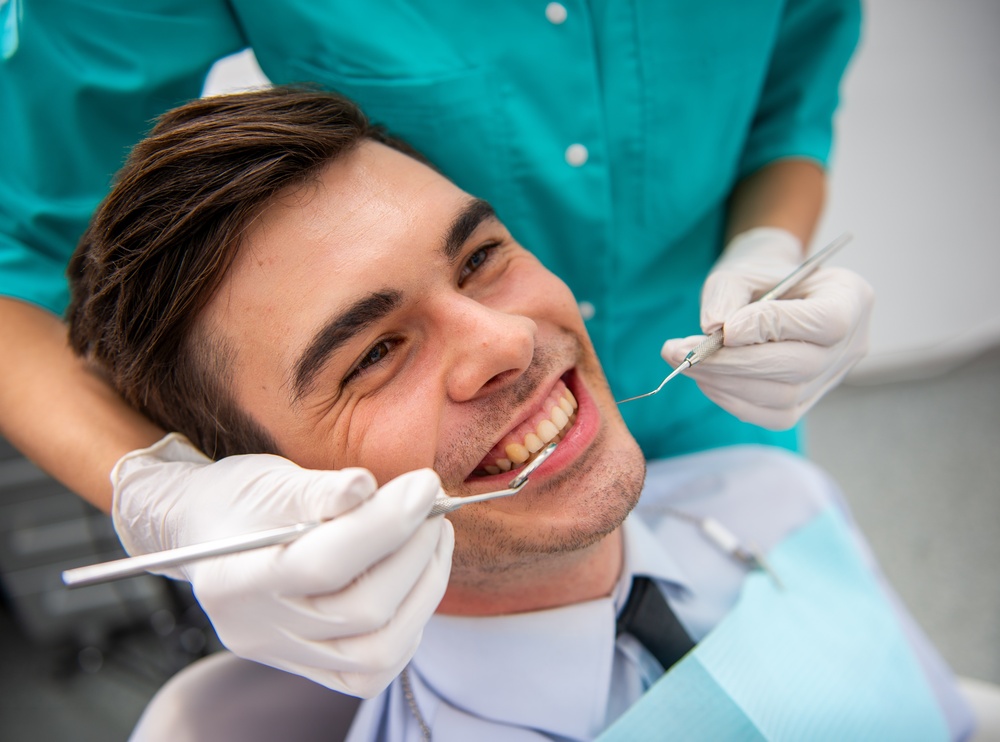
From Surgical Evaluation to Recovery, Here Is What to Expect

Why Choose Us for Your Oral Surgical Care
Our oral surgeons hold advanced training in procedures that include wisdom tooth extraction, dental implant surgery, jaw surgery, and bone grafting. Every case is approached with a detailed review of your dental history, precise surgical planning, and a clear explanation of your sedation options before anything is scheduled. Patients who need surgery deserve a team that understands the full picture, not just the procedure itself.
What sets our practice apart is the ability to manage complex cases entirely in-house. Having specialists across oral surgery, periodontics, and endodontics in our practice means your care is coordinated from start to finish with no referrals to unfamiliar practices and no gaps in communication. Our team uses state-of-the-art technology for diagnostics and surgical execution, which translates directly into greater accuracy and more predictable outcomes. Patients trust us because we take time to listen, answer questions thoroughly, and treat every person as an individual, not a procedure.
Get Lasting Relief Through Oral Surgery in Queens
Putting off a procedure that your mouth genuinely needs rarely makes things easier and often makes them harder. Our team at Gramercy Dental Group has the surgical expertise and on-site specialists to help you move forward with confidence, regardless of the complexity of your case. Oral surgery performed by the right team makes a measurable difference in both your outcome and your experience.
Patients throughout Manhattan trust our practice for surgical care because we combine advanced techniques with straightforward, honest communication. Don’t just take our word for it. Check out our Google reviews to hear directly from patients who have been in your position. We’re conveniently located in the Gramercy neighborhood of Manhattan; get directions on Google Maps to plan your visit. Reach us directly at 212-889-0999 to schedule your consultation.
Get Lasting Relief Through Oral Surgery in Queens
Putting off a procedure that your mouth genuinely needs rarely makes things easier and often makes them harder. Our team at Gramercy Dental Group has the surgical expertise and on-site specialists to help you move forward with confidence, regardless of the complexity of your case. Oral surgery performed by the right team makes a measurable difference in both your outcome and your experience.
Patients throughout Manhattan trust our practice for surgical care because we combine advanced techniques with straightforward, honest communication. Don’t just take our word for it. Check out our Google reviews to hear directly from patients who have been in your position. We’re conveniently located in the Gramercy neighborhood of Manhattan; get directions on Google Maps to plan your visit. Reach us directly at 212-889-0999 to schedule your consultation.
FAQs
What types of procedures does oral surgery include?
Oral surgery covers a broad range of procedures that address conditions beyond the scope of general dentistry. At our practice, that includes wisdom teeth removal, dental implant surgery, bone grafting, jaw surgery, gum grafting, treatment of impacted canines, and oral biopsy and pathology evaluations. TMJ disorder treatment and urgent dental emergency care are also part of our services. The right procedure for you will be determined after a full dental examination and review of your dental history.
How do I know if I need oral surgery?
Our dentist will often identify the need for surgery during a routine dental examination and refer you to a specialist. Common indicators include impacted wisdom teeth, a tooth that can’t be saved through a root canal, jawbone deterioration, chronic jaw pain, or a soft tissue abnormality that requires a biopsy. Significant facial trauma or a sudden dental emergency may also require surgical care. The earlier a condition is evaluated, the more treatment options are typically available.
What sedation options are available for surgical procedures?
Sedation is selected based on the complexity of your procedure, your overall health, and your comfort level. Options range from local anesthetic for straightforward cases to IV sedation for patients undergoing more involved oral surgery procedures or those who experience significant dental anxiety. Our team reviews your full medical and dental history before making any recommendation, and we take the time to explain what each option involves. Your safety and comfort throughout the procedure are non-negotiable priorities.
How long does recovery take after surgery?
Recovery depends heavily on the type of procedure and how your body heals. Minor procedures, such as a straightforward wisdom tooth extraction, typically allow patients to return to normal activity within three to seven days. More complex cases involving jaw surgery, bone grafting, or dental implant surgery may involve a longer recovery period of several weeks. Following your post-operative care instructions carefully, including activity restrictions, dietary changes, and wound care, has a direct impact on how well and how quickly you heal.
Are dental implants considered oral surgery?
Dental implant surgery is a surgical procedure that involves placing a titanium post directly into the jawbone. The implant then fuses with the surrounding bone over a period of months, creating a stable base for a permanent crown. In patients who have experienced bone loss, bone grafting is often performed first to rebuild the jaw structure needed to support the implant. Dental implants are among the most durable, natural-feeling tooth replacement options available and are designed to last for many years with proper care.