

Extraction
Facing the need for tooth extraction can feel daunting, but you don’t have to navigate this journey alone. At Gramercy Dental Group, we’ve transformed what many consider a stressful procedure into a seamless, well-managed experience.
Our approach combines technical precision with genuine understanding, because we know that behind every extraction is a person seeking relief and solutions. Our team of doctors takes pride in addressing each case uniquely, whether you’re dealing with wisdom teeth complications, preparing for orthodontic work, or requiring emergency care.

Understanding Extraction
Tooth extraction is a professional dental procedure that involves the complete removal of a tooth from its socket in the jawbone. This process can range from simple extractions of visible teeth to more complex surgical extractions for impacted or broken teeth below the gum line.
While the procedure sounds straightforward, it requires precise technique and careful attention to surrounding tissues, nerves, and blood vessels. Each extraction is unique, considering factors like tooth location, root structure, and bone density to ensure the most appropriate removal method.
Benefits of Extraction
A severely decayed, infected, or damaged tooth will not heal on its own. Removing it can stop an infection from spreading, relieve pain, create room for proper alignment, protect the rest of your mouth, and prepare you for a lasting replacement. Understanding these benefits can help you see how tooth extraction may support your long-term oral health.
Prevents Spread of Infection
When severe decay or infection threatens your oral health, extraction can prevent the spread of bacteria to surrounding teeth and tissue. By removing the compromised tooth, we protect your overall dental health and eliminate the source of infection. This proactive approach helps maintain the integrity of your remaining teeth and supports long-term oral wellness, often preventing more extensive dental problems in the future.
UNTREATED CAVITIES CAN TURN INTO SERIOUS INFECTIONS
A cavity left alone does not stay small or contained. Bacteria inside the tooth can spread to nearby tissue the longer it goes untreated. Removing the affected tooth stops that spread before it becomes a bigger problem.
“Untreated cavities can lead to abscess, a severe infection”
Centers for Disease Control and Prevention, “Cavity Facts”
Relieves Pain and Discomfort
Extracting a problematic tooth provides immediate relief from persistent pain and discomfort. Whether dealing with impacted wisdom teeth, severe decay, or damaged teeth, removal eliminates the source of your pain. This relief allows you to return to normal daily activities without the constant distraction of dental discomfort, improving your quality of life significantly.
EXTRACTION IS A PROVEN WAY TO STOP DENTAL PAIN
Medical research backs up extraction as an effective way to end the pain of an abscessed tooth. Many patients feel relief soon after the problem tooth is removed. This makes extraction a reliable option when pain has become hard to manage.
“dental abscesses respond well to incision and drainage, root treatment, or extraction”
Robertson DP, Keys W, Rautemaa-Richardson R, Burns R, Smith AJ, “Management of Severe Acute Dental Infections,” BMJ, 2015
Creates Space for Proper Alignment
In cases of overcrowding, strategic tooth extraction can create the necessary space for proper dental alignment. This benefit is particularly important in orthodontic treatment plans, where removing specific teeth allows others to shift into their ideal positions. The result is a more balanced bite, improved oral function, and enhanced aesthetic appearance of your smile.
EXTRACTION IS RECOMMENDED FOR SEVERE CROWDING
Orthodontists commonly turn to extraction once crowding reaches a certain point. Removing one or more teeth gives the rest of the teeth room to shift into place. This approach is well established and widely used in orthodontic treatment.
“clinicians recommended extraction once estimated crowding was classified as severe”
Tom K, “Association Between Crowding Estimation and Extraction Recommendations in Orthodontics,” University of Washington, 2023
Supports Overall Oral Health
Removing severely damaged or decayed teeth helps maintain the health of your entire mouth. When problematic teeth are extracted, it becomes easier to clean and maintain your remaining teeth properly. This improved oral hygiene access reduces the risk of future dental issues and supports long-term gum health, contributing to better overall dental wellness.
HARD-TO-CLEAN TEETH RAISE YOUR RISK
A tooth that is difficult to clean is a known risk factor for gum disease. Plaque builds up more easily around a damaged or crowded tooth than a healthy one. Removing that tooth makes it easier to keep the rest of your mouth clean.
“Crooked teeth that are hard to keep clean”
Alabama Department of Public Health, “Oral Health for Home Care Professionals”
Prepares for Dental Prosthetics
Extraction can be a necessary step in preparing for advanced dental treatments like implants or dentures. Removing compromised teeth creates a clean foundation for these restorative options. This preparation ensures better outcomes for your future dental work, allowing for more successful and longer-lasting prosthetic solutions that restore both function and appearance.
EXTRACTION CHANGES THE BONE THAT WILL SUPPORT A FUTURE IMPLANT
Removing a tooth changes the bone that used to hold it in place. Planning ahead for that change is part of what makes a later implant, bridge, or denture work well. This is why extraction and prosthetic planning are often handled together.
“aims to maintain hard and soft tissues in the extraction site for optimal rehabilitation”
Afrashtehfar KI, Kurtzman GM, Mahesh L, “Improving Oral Rehabilitation Through the Preservation of the Tissues Through Alveolar Preservation,” Journal of Advanced Prosthodontics, 2012
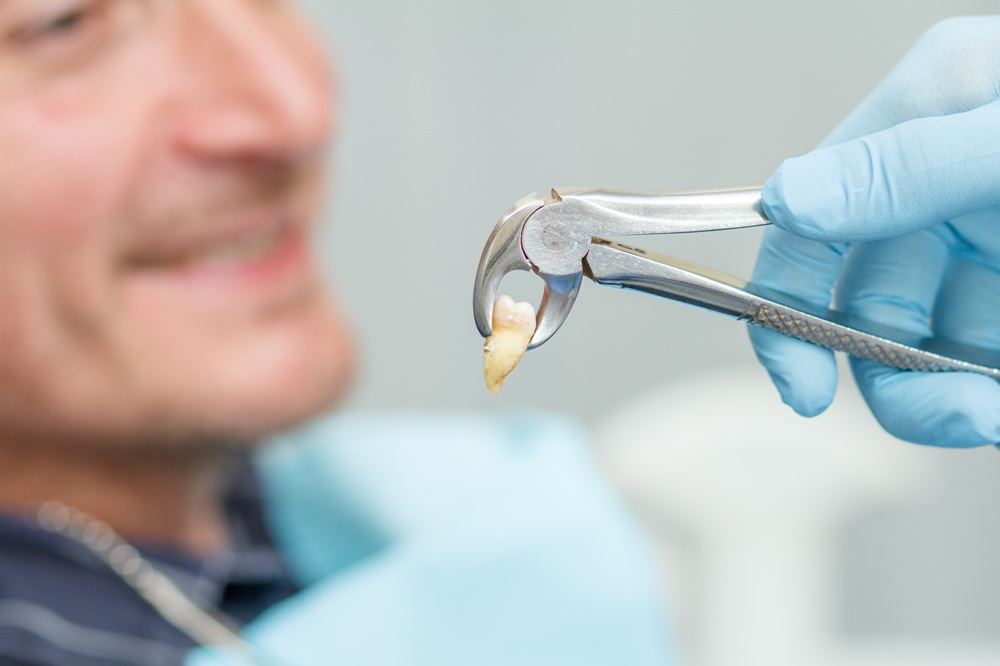
The Risks of Putting Off a Tooth Extraction
An infected tooth will not heal on its own, and the infection can spread beyond the tooth if it is left in place. Extraction is a routine procedure designed to stop that spread before it gets worse. Our oral surgeons use custom pain management protocols and walk you through aftercare so healing stays on track.
Financial Risk of Waiting to Remove a Damaged Tooth
A tooth left untreated can develop a worse infection, which often costs more to treat than a straightforward extraction. Cost does not have to stand in the way of care. Gramercy Dental Group is in network with many insurance plans and offers financing options like CareCredit to help spread out the cost.
Health Risk of Leaving a Damaged Tooth in Place
An infected tooth will not heal on its own, and the infection can spread beyond the tooth if it is left in place. Extraction is a routine procedure designed to stop that spread before it gets worse. Our oral surgeons use custom pain management protocols and walk you through aftercare so healing stays on track.
Safety Risk of Leaving a Problem Tooth Untreated
A damaged tooth left in place is more likely to get worse over time and turn into an emergency later. Extraction itself carries a low rate of complications, and most of those are minor and treatable. Gramercy Dental Group uses advanced 3D imaging to plan each extraction and offers emergency support if anything comes up during your recovery.

Why Choose Us for Extraction
The difference lies in our detailed, systematic approach to tooth extraction. Our team of doctors regularly update their extraction techniques through specialized training, ensuring you receive current, evidence-based care.
We’ve designed our treatment spaces with your comfort in mind, incorporating noise-reducing headphones, weighted blankets, and aromatherapy options that truly make a difference during procedures. Gramercy Dental Group maintains a high patient satisfaction rate for extractions, backed by years of focused experience in handling both routine and complex cases.
Transform Dental Discomfort Into Relief With Tooth Extraction
Ready to address that problematic tooth? Whether you’re dealing with persistent pain, preparing for orthodontic work, or handling a dental emergency, our team of doctors is here to help.
Call Gramercy Dental Group at 212-889-0999 today, we offer same-day appointments for urgent cases and flexible scheduling to fit your busy life. Let’s tackle your dental concerns head-on with the professional care you deserve.
Transform Dental Discomfort into Relief
Ready to address that problematic tooth? Whether you’re dealing with persistent pain, preparing for orthodontic work, or handling a dental emergency, our team of doctors is here to help.
Call Gramercy Dental Group at 212-889-0999 today – we offer same-day appointments for urgent cases and flexible scheduling to fit your busy life. Let’s tackle your dental concerns head-on with the professional care you deserve.
FAQs
What to eat after tooth extraction?
Focus on soft, cool foods like yogurt, smoothies, and pudding for the first 24-48 hours after extraction. Avoid hot foods and beverages as they may disturb blood clot formation. As healing progresses, you can gradually introduce lukewarm soups and well-cooked, soft vegetables, always being careful to avoid the extraction site while eating.
When can I eat solid food after tooth extraction?
Most patients can return to eating solid foods within 5-7 days after the extraction, depending on the complexity of the procedure. Start with softer solid foods like pasta or fish, and gradually work your way up to harder foods as comfort allows. Always listen to your body and follow your dentist’s specific instructions for your case.
How much is a tooth extraction?
The average cost of tooth extractions typically ranges from $150 to $650 per tooth, varying based on the complexity of the procedure and the type of extraction needed. Many dental insurance plans cover a portion of extraction costs, especially when medically necessary. We offer various payment options and can help you understand your insurance coverage.
How long does it take for tooth extraction to heal?
The initial healing period typically takes about 1-2 weeks, during which the extraction site will gradually close and new tissue will form. Complete healing of the bone and soft tissue can take 3-6 months. Following proper aftercare instructions and maintaining good oral hygiene significantly supports the healing process.
How long to keep gauze in after tooth extraction?
Keep the initial gauze pad in place with firm pressure for about 30-45 minutes after the extraction. If bleeding continues, replace it with fresh gauze every 30 minutes until it subsides. Most patients only need to use gauze for the first few hours after the procedure, but follow your dentist’s specific instructions for your case.