

Gum Grafting
Restoring Gum Health & Aesthetic Beauty
Gum recession is a common dental issue that affects millions of people, exposing the roots of teeth, increasing sensitivity, and making teeth appear longer than normal. Gum grafting is a periodontal procedure designed to restore lost tissue, protect vulnerable roots, and enhance the overall appearance of your smile. At Gramercy Dental Group, we use advanced techniques to help patients achieve a healthier, more youthful smile while preventing further recession.
If you’ve noticed your gums pulling away from your teeth or have been experiencing increased tooth sensitivity, a gum graft may be the ideal solution to protect your smile and prevent further oral health issues.

What is gum grafting?
Gum grafting is a surgical procedure that involves taking healthy gum tissue from another area of your mouth (or using donor tissue) and placing it over areas of gum recession. This procedure helps:
- Cover exposed tooth roots to reduce sensitivity and protect teeth from decay.
- Rebuild lost gum tissue to restore the natural gumline.
- Prevent further gum recession and reduce the risk of tooth loss.
- Improve smile aesthetics by creating a fuller, healthier gumline.
The procedure is minimally invasive, and with modern techniques and sedation options, we ensure that it is as comfortable and stress-free as possible for our patients.
Types of Gum Grafts
There are different types of gum grafting procedures, and the best choice for you will depend on the severity of your gum recession and your individual needs.
Why is Gum Grafting Necessary?
Many people assume that gum recession is purely a cosmetic issue, but it can have serious consequences for oral health if left untreated. Exposed tooth roots are more vulnerable to decay, sensitivity, and even tooth loss.
Key Benefits of Gum Grafting:
- Protects Tooth Roots – Receding gums expose the sensitive root surfaces, making them more susceptible to decay and damage. A gum graft provides essential protection.
- Reduces Sensitivity – When roots are exposed, patients often experience pain and discomfort when consuming hot, cold, or sweet foods. Covering the roots significantly reduces this sensitivity.
- Prevents Further Gum Recession – Gum grafting reinforces weak gum tissue, preventing the gums from continuing to recede and ensuring long-term oral health.
- Enhances Smile Aesthetics – Receding gums can make teeth appear longer and uneven, leading to an aged or unhealthy appearance. A gum graft restores a balanced, youthful smile.
- Lowers Risk of Tooth Loss – Severe gum recession can eventually lead to tooth loss if the supporting structures become too weak. Gum grafting helps strengthen the foundation of your teeth.
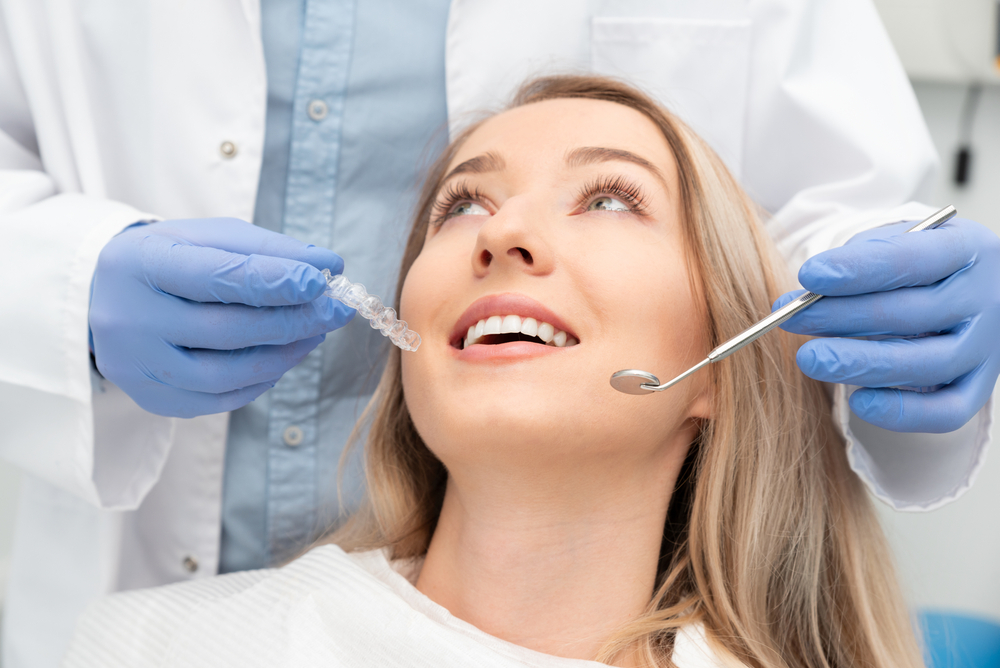
What to Expect During a Gum Grafting Procedure
A gum graft follows four main steps, from your first consultation through healing. Here is what to expect at each stage.
Consultation & Planning
Your journey starts with a comprehensive consultation, where we evaluate the severity of your gum recession and determine the best type of graft for your needs.
Grafting Can Be Planned for One Tooth or Several
The American Academy of Periodontology explains that gum recession leaves tooth roots exposed, and that gum graft surgery can cover the exposed root and be performed on one tooth or multiple teeth. This supports the point above that your plan is based on how much recession you have.
“Gum graft surgery can be performed on one tooth or multiple teeth”
American Academy of Periodontology, “Surgical Procedures”
Local Anesthesia & Sedation (If Needed)
We numb the treatment area to ensure zero pain during the procedure. If you have dental anxiety, sedation options (such as IV sedation or oral sedation) are available for maximum comfort.
Medication Options Help Keep Visits Comfortable
The American Dental Association explains that some medications control pain and others help you relax, and that your dentist considers the procedure, your overall health, and your anxiety level when choosing an approach. It adds that sedation may involve inhaled gases, pills, or injected medicine. This supports the point above that numbing and sedation options are available for your comfort.
“Several medications are available to help create more relaxed, comfortable dental visits.”
American Dental Association, MouthHealthy, “Anesthesia and Sedation”
Tissue Harvesting & Placement
If using your own tissue, we carefully remove a small portion of gum tissue from the donor site (often the roof of the mouth) and secure it over the receded area with fine sutures.
Graft Tissue Can Come From the Palate or a Donor Source
The American Academy of Periodontology explains that during gum graft surgery, the periodontist takes gum tissue from the palate or another donor source to cover the exposed root. It adds that the procedure may help reduce tooth sensitivity and improve the look of your smile. This supports the point above about placing tissue over the receded area.
“During gum graft surgery, your periodontist takes gum tissue from your palate”
American Academy of Periodontology, “Surgical Procedures”
Healing & Recovery
The healing process typically takes 1 to 2 weeks, during which the new gum tissue integrates with your natural gums. We provide detailed aftercare instructions to ensure smooth healing and optimal results.
Pain After Dental Treatment Is Usually Managed With Common Medicines
The American Dental Association says that depending on the procedure, you may need a pain reliever after treatment, and that non-narcotic options such as acetaminophen and ibuprofen are the most commonly used for pain after dental treatment. This supports the point above that discomfort during healing is usually manageable.
“Depending on the procedure, you may need a pain reliever after treatment.”
American Dental Association, MouthHealthy, “Anesthesia and Sedation”

The Hidden Risks of Delaying Gum Grafting
Once gum tissue is lost, it does not grow back on its own, and exposed roots stay exposed until they are covered. Here is how waiting can affect your budget, your health, and your safety.
The Financial Risk of Waiting Too Long
As recession continues, a graft may need to cover more than one tooth, and treatment can become more involved. Acting sooner can help keep care simpler and more affordable. Gramercy Dental Group is in network with many insurance plans and offers payment options through CareCredit, Lending Club, Sunbit, and Cherry.
The Health Risk of Leaving Exposed Roots Uncovered
Exposed roots are more vulnerable to sensitivity and decay, and gum recession can lead to further bone loss if it continues. A comprehensive consultation helps determine the right type of graft for your needs. If surgery sounds worrying, numbing and sedation options such as IV or oral sedation are available.
The Safety Risk of Putting Off Care
Recession that continues can gradually weaken the support around a tooth, and exposed roots can make hot, cold, or sweet foods uncomfortable. After a graft, most patients have only mild soreness, and Gramercy Dental Group provides detailed aftercare instructions and follow-up visits to check healing. A prescription antimicrobial rinse helps keep your mouth clean while the graft heals.
Restore Your Gum Health & Confidence With Gum Grafting!
If you’re struggling with gum recession, tooth sensitivity, or an uneven gumline, gum grafting may be the perfect solution for you. At Gramercy Dental Group, our expert periodontal team provides comfortable, state-of-the-art care to restore your oral health and confidence.
Call us today to schedule your consultation and take the first step toward a healthier smile!
Restore Your Gum Health & Confidence Today!
If you’re struggling with gum recession, tooth sensitivity, or an uneven gumline, gum grafting may be the perfect solution for you. At Gramercy Dental Group, our expert periodontal team provides comfortable, state-of-the-art gum grafting procedures to restore your oral health and confidence.
Call us today to schedule your consultation and take the first step toward a healthier smile!
Frequently Asked Questions About Gum Grafting
Does gum grafting hurt?
No, the procedure is performed under local anesthesia, ensuring zero pain during treatment. Some mild soreness afterward is normal but manageable with medications and cold compresses.
How long does a gum graft last?
With good oral hygiene and regular dental visits, a gum graft can last a lifetime. Proper brushing, flossing, and avoiding tobacco use are key to maintaining your results.
Can receding gums grow back without surgery?
Unfortunately, no. Once gum tissue is lost, it does not regenerate on its own. Gum grafting is the only way to restore receded gums permanently.
How soon can I eat after gum grafting?
You’ll need to stick to a soft diet for at least a few days. Avoid crunchy, spicy, and hot foods that could irritate the surgical site.
Will my gum graft look natural?
Yes! Once healed, your gum graft will blend seamlessly with your natural gum tissue, restoring a healthy and balanced gumline.